

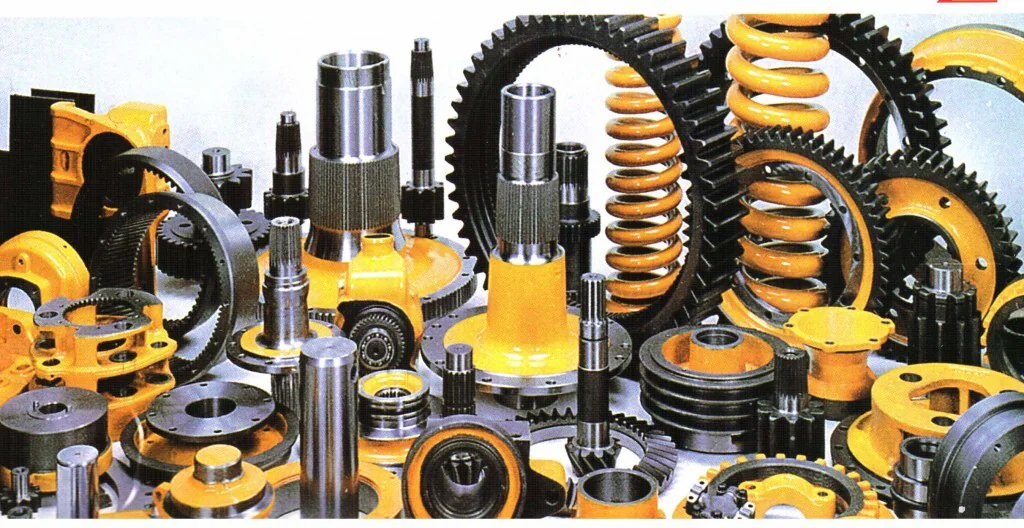
Introduction: The Backbone of Automotive Performance
Automobiles, though perceived as sleek and unified machines, are marvels of intricate engineering. Beneath their polished exteriors lies a vast ecosystem of components—auto parts—that harmoniously interact to ensure optimal performance, safety, and comfort. From the pistons pulsing inside the engine to the sensors delicately balancing climate control, every part plays a pivotal role. Understanding the universe of auto parts not only empowers car enthusiasts and mechanics but also aids everyday drivers in making informed decisions about vehicle maintenance and upgrades.
The Classification of Auto Parts: A Structural Overview
Auto parts are generally categorized based on their function and location within a vehicle. The core divisions include:
1. Engine and Mechanical Components
These are the heart and muscles of any automobile.
-
Engine Block: The foundation of the internal combustion engine.
-
Pistons and Crankshaft: Responsible for converting fuel into motion.
-
Camshaft and Timing Belt: Synchronize engine operations.
-
Transmission System: Transfers engine power to the wheels.
2. Electrical and Electronic Systems
Modern vehicles heavily rely on electronics to optimize performance and safety.
-
Alternator and Battery: Supply and store electrical power.
-
Electronic Control Unit (ECU): The brain of the car, managing engine functions, safety features, and diagnostics.
-
Sensors and Actuators: Monitor everything from oxygen levels to tire pressure.
3. Suspension and Steering
These parts ensure smooth handling and driving comfort.
-
Shock Absorbers and Struts: Minimize road impact.
-
Control Arms and Ball Joints: Connect wheels to the frame and allow movement.
-
Steering Rack and Tie Rods: Enable directional control of the vehicle.
4. Braking System
Safety begins with the ability to stop effectively.
-
Brake Pads and Rotors: Provide the necessary friction to stop the car.
-
Calipers and Brake Lines: Apply pressure and carry brake fluid.
-
ABS Module: Prevents wheel lock-up during emergency braking.
5. Exhaust and Emissions Control
These systems manage engine byproducts.
-
Mufflers and Catalytic Converters: Reduce noise and filter pollutants.
-
Exhaust Manifold and Oxygen Sensors: Manage gas flow and emissions data.
6. Interior and Comfort Systems
These components elevate the driving experience.
-
Seats, Dashboards, and Panels: Provide ergonomic comfort and aesthetics.
-
HVAC Systems: Control cabin temperature and ventilation.
-
Infotainment Units: Offer navigation, entertainment, and connectivity.
The Rise of OEM vs Aftermarket Auto Parts
When it comes to replacing components, consumers face a crucial decision: choose Original Equipment Manufacturer (OEM) parts or opt for aftermarket alternatives.
OEM Parts
-
Pros:
-
Guaranteed compatibility.
-
Manufactured to factory standards.
-
Often covered by warranty.
-
-
Cons:
-
Typically more expensive.
-
Limited to dealership networks.
-
Aftermarket Parts
-
Pros:
-
Broader selection and competitive pricing.
-
Availability of performance upgrades.
-
Easily accessible through independent suppliers.
-
-
Cons:
-
Varying quality and reliability.
-
May void warranties in some cases.
-
Innovations Shaping the Future of Auto Parts
The automotive industry is undergoing a technological renaissance, and auto parts are no exception. A few key innovations include:
-
3D Printed Parts: Allow rapid prototyping and custom manufacturing of rare components.
-
Smart Sensors: Enable real-time data collection and predictive maintenance.
-
Lightweight Composites: Improve fuel efficiency without compromising strength.
-
Electric Vehicle (EV) Parts: Include high-capacity batteries, regenerative braking systems, and electric drivetrains.
These advancements are not only making cars more efficient but also transforming how parts are designed, manufactured, and replaced.
Maintenance: The Silent Guardian of Auto Longevity
Understanding auto parts is incomplete without appreciating the significance of routine maintenance. Proactive care can prevent costly repairs and ensure vehicle longevity.
Key Maintenance Tips:
-
Regular Oil Changes: Keeps the engine lubricated and functioning efficiently.
-
Brake Inspections: Essential for safety and performance.
-
Tire Rotation and Alignment: Promotes even wear and better fuel economy.
-
Battery and Alternator Checkups: Prevents unexpected breakdowns.
-
Fluid Top-Ups and Replacements: Includes coolant, brake fluid, transmission fluid, and windshield washer fluid.
Consistent upkeep not only enhances performance but also preserves the value of your vehicle over time.
The Auto Parts Market: Global Impact and Trends
The global auto parts industry is a colossal force, contributing significantly to the world economy. As of recent reports, the market value is projected to surpass $2.5 trillion by 2028, driven by consumer demand, vehicle complexity, and technological evolution.
Key Trends Driving the Market:
-
E-commerce Growth: Online platforms simplify the buying process for both professionals and DIY users.
-
Sustainability Initiatives: Push for recyclable materials and energy-efficient production methods.
-
Customization and Personalization: Rising interest in tuning and performance modifications.
These dynamics signal a future where auto parts are not just functional elements, but personalized expressions of style, preference, and eco-consciousness.
Conclusion: Auto Parts—Where Craftsmanship Meets Innovation
Auto parts are far more than mechanical necessities—they are the hidden framework upon which the art of driving is built. Whether you are a seasoned mechanic, a weekend DIY enthusiast, or simply someone who values their vehicle’s performance, gaining knowledge about these components fosters a deeper appreciation for the machinery we often take for granted.
As the automotive world continues its journey toward electrification, autonomy, and smarter mobility, auto parts will evolve accordingly—smaller, lighter, more connected, and more sustainable. In essence, they will remain the enduring threads in the ever-changing fabric of transportation.